
Women’s Rights
Jehan El-Sadat’s interest in women’s issues became prominent during her husband Anwar El-Sadat’s presidency in Egypt. Her public activities were linked to advocating for expanding women’s participation in society and improving their legal and social status. She participated in international conferences addressing women’s issues, including the World Conference of the International Women’s Year held by the United Nations in Mexico City in 1975, where she headed the participating Egyptian delegation.
Jehan El-Sadat’s name was also associated with reforms regarding women and the family in Egypt during the late 1970s. In 1979, Law No. 44 of 1979 was issued, amending certain provisions of personal status laws, incorporating rulings related to divorce, wives’ rights, and notification of marriage and divorce. The law sparked widespread debate in Egypt regarding the relationship between family law reform and women’s rights.
These amendments were referred to in some writings as “Jehan’s Laws,” in reference to the role attributed to Jehan El-Sadat in supporting reforms related to women. However, naming the laws as such does not imply that she possessed sole legislative authority; the amendments were enacted within the framework of the state’s legislative and executive authorities and subsequently became a subject of debate and legal challenge before the Egyptian judiciary.
The reforms associated with the law included provisions regarding divorce procedures, polygamy, and notifying the wife of a new marriage, as well as measures aimed at enhancing legal protection for wives. The law became part of a broader debate on reforming personal status laws in Egypt and the position of women within the family and society.
Jehan El-Sadat’s interest in women’s issues continued after the end of her husband’s presidency. She continued participating in conferences and programs related to women’s rights, peace, and development, addressing topics related to women’s participation in public life, education, work, and the family in her writings and lectures.
Peace and International Relations
Jehan El-Sadat’s public activity during her husband’s presidency was linked to initiatives related to peace and international relations. She participated in a number of international meetings and conferences, particularly those dealing with women’s issues, peace, and development, representing Egypt on international occasions during the 1970s.
The “Collar of Saint Arsenius” was presented as an official gift from Egypt to First Lady Betty Ford. It is made of gold-plated silver and cut glass, dating back to the pre-Roman-Arab era. A gift from Mrs. Anwar El-Sadat, October 27, 1975.
Following the signing of the Egyptian-Israeli Peace Treaty in 1979, Jehan El-Sadat participated in international activities and meetings associated with peace, and later continued to speak about the Egyptian-Israeli peace experience and the importance of resolving conflicts through political means. In her lectures and writings, she also addressed issues of peace, coexistence, and inter-people relations.
After the assassination of Anwar El-Sadat in 1981, Jehan El-Sadat participated in several international activities related to peace, human rights, and women’s rights. She delivered lectures at various universities and institutions, discussing her husband’s political experience and her vision for peace in the Middle East, and her name became associated with academic programs and research institutions in the United States.
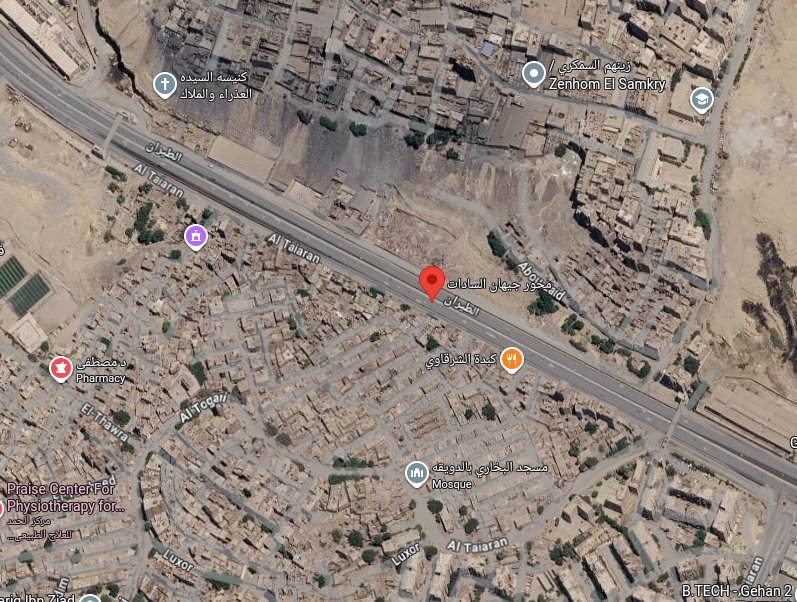
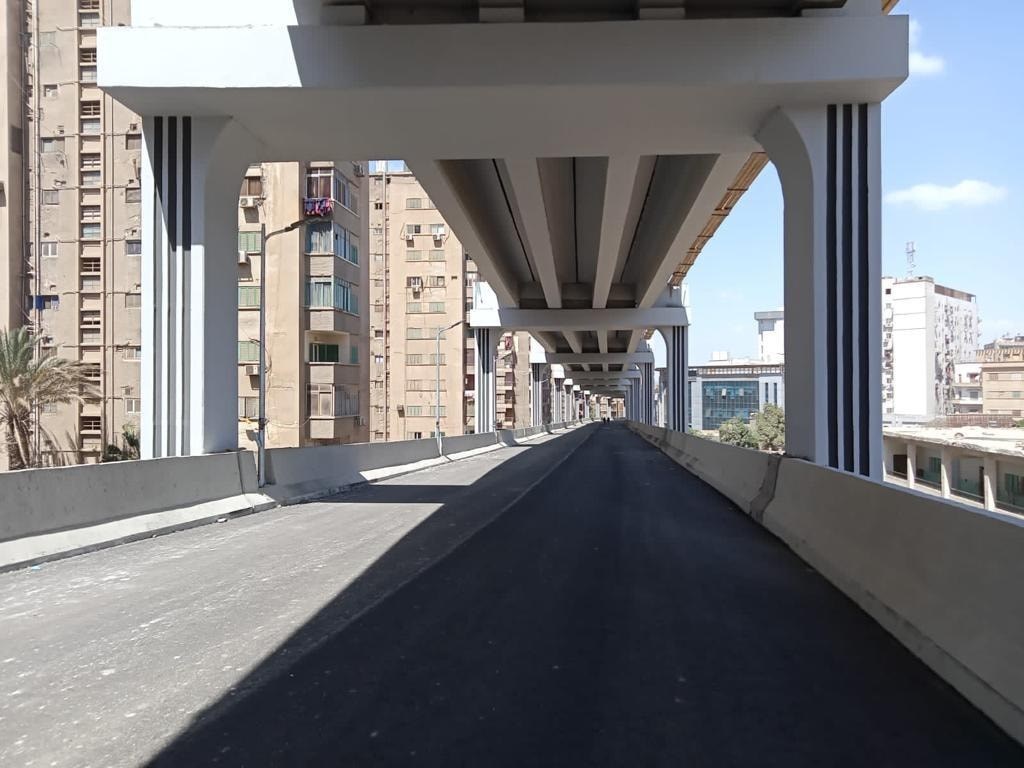
jehan El-Sadat Axis (formerly El-Ferdous Axis) is one of the most important national road network projects in Cairo Governorate.
About the Axis
- Former Name: El-Ferdous Axis.
- Reason for Naming: President Abdel Fattah El-Sisi directed to rename it to “Jehan El-Sadat Axis” to honor the national role of the late Mrs. Jehan El-Sadat.
- Cost: Approximately 1.2 billion EGP.
Route and Location
- Starts from the exit of Abu Hashed Tunnel (below Ahmed Lotfy El-Sayed Street), passing through Masr Wal Sudan Street and Ahmed Said Street.
- Intersects with Salah Salem Road under El-Ferdous Bridge, passing through Ibn Qansuh Street and the Autostrad.
- Reaches the extension of Field Marshal Tantawy Axis and Zaker Hussein Street in Nasr City.
Objectives and Advantages
- Connecting Axes: Connects central and northern Cairo areas to Salah Salem, the Autostrad, the Ring Road, and New Cairo, extending to the New Administrative Capital.
- Relieving Congestion: Contributes to reducing traffic density in Heliopolis, West Nasr City, and the 6th of October Bridge.
- Shortening Time: Reduces travel time and distances (such as connecting Nasr City to Downtown in just a few minutes), and lowers fuel consumption and pollution rates.
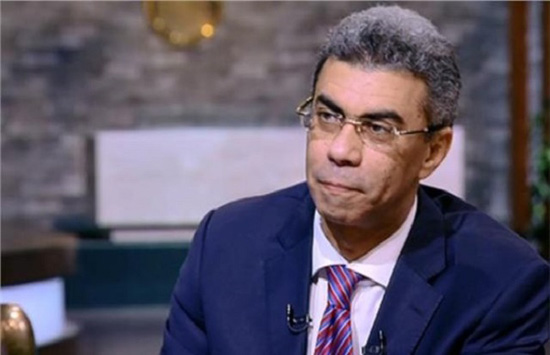
Media Career
At the beginning of his career, Yasser Rizk worked as a military editor for the “Al-Akhbar” newspaper. In 1995, he took over as head of its military section, and later progressed to become the newspaper’s presidential correspondent in 1999. Yasser Rizk’s star shone brightly when he assumed the position of editor-in-chief of the government-owned “Radio and Television” magazine, issued by the Egyptian Radio and Television Union (“Maspero”), in 2005. On January 18, 2011, Rizk became the editor-in-chief of “Al-Akhbar” newspaper and continued working there after the January 25 Revolution until he was ousted from his position as editor-in-chief by the Supreme Council for Press, according to Egyptian media outlets. On August 22, 2012, he became the editor-in-chief of “Al-Masry Al-Youm” newspaper, where he stayed for a year and 3 months, during which he conducted the first journalistic interview with General Abdel Fattah al-Sisi following the July 3, 2013 coup. Following the overthrow of the Muslim Brotherhood’s rule and the deposition of President Mohamed Morsi, Yasser Rizk returned in 2014 as editor-in-chief of “Al-Akhbar” newspaper and simultaneously assumed the position of Chairman of the Board of Directors of “Dar Akhbar Al-Youm”. Yasser Rizk was known for his extensive journalistic writings and rare television appearances. Throughout his career, he was awarded the Military Duty Medal of the First Class, and the Long Service and Good Example Medal.
His Conflict with the Muslim Brotherhood
Yasser Rizk was known for his intense hostility and hatred toward the Muslim Brotherhood, which ruled Egypt between 2012 and 2013. He also directed numerous criticisms at Mohamed Morsi’s policies during his presidency. In press statements in December 2012, Rizk stated, “The seat of the President of the Republic remains vacant until now,” indicating that the then-President Mohamed Morsi “is not performing his duties in protecting his people.” Yasser also called for protests against President Morsi on June 30, 2013, stating two days before the July 3 coup that “President Mohamed Morsi will leave, and this is inevitable.” In one of the leaked recordings, Rizk described both the Muslim Brotherhood and former Brotherhood leader Abdel Moneim Aboul Fotouh as “deviants” (or “perverts”). Hours before Al-Sisi’s speech on July 3, 2013, Yasser Rizk made press statements announcing the end of the “Brotherhood’s” rule and called for the arrest of President Morsi, saying: “Half-past four tomorrow afternoon (July 3) is the decisive moment regarding Morsi’s departure by popular will and entering a new phase in which the mistakes of the past must be gotten rid of.” Rizk stated that “the army prevented Morsi’s plot to arrest journalists and politicians,” and added: “I call upon the Armed Forces to forcibly remove Morsi and place him under house arrest.” In a 2020 article titled “Eradicating the Brotherhood..!”, he called for the expulsion of all supporters and even sympathizers of the Muslim Brotherhood from their jobs—a measure actually approved by the Egyptian Parliament in July 2021 under the name “Law on Dismissing Employees Belonging to the Muslim Brotherhood,” which is classified as a “terrorist” organization in Egypt.
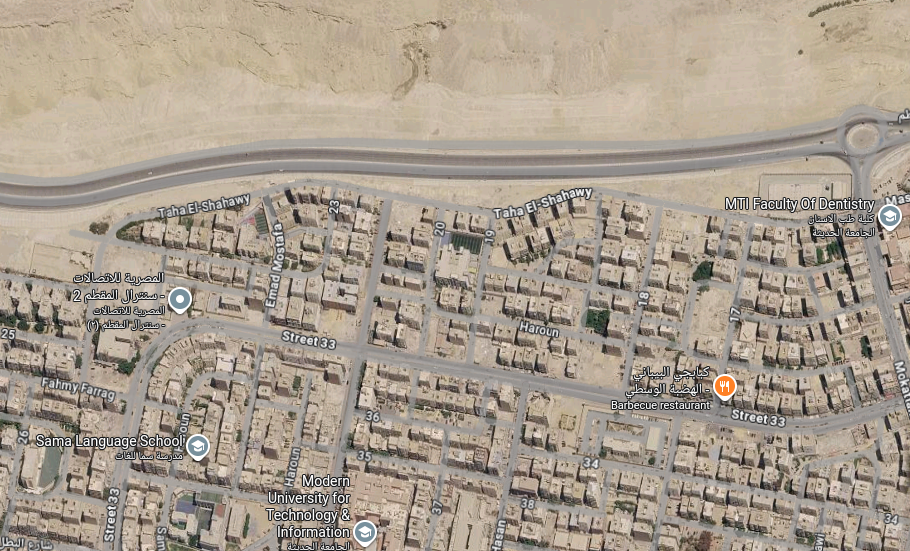
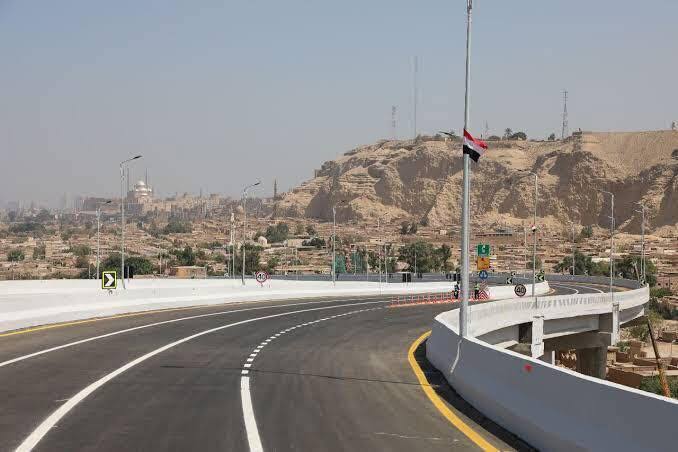
Location and Connectivity: Taha Hussein Bridge (the third phase of the Yasser Rizk Axis) connects the Mokattam Plateau, the Axis of Civilizations, and the Fustat area, leading all the way to the Autostrad Road, Downtown areas, and the Nile Corniche.
Dimensions and Height: The bridge spans approximately 900 to 960 meters in length in one direction (with the total Yasser Rizk Axis extending 1.6 km), reaching a height of about 50 meters above ground level at the Mokattam Plateau.
Traffic Capacity: Its width ranges between 29 to 32 meters, housing 4 traffic lanes in each direction to facilitate traffic movement and shorten travel time.
]]>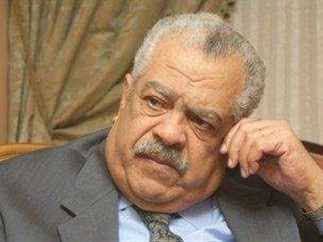
Who is Hassallah El-Kafrawy, after whom the Zahraa El-Maadi Axis is named?
- Hassallah El-Kafrawy is the only Minister of Housing who was nicknamed “Minister of the Poor” and “Father of Cities.”
- Hassallah El-Kafrawy was born on November 22, 1930, in the village of Kafr Soliman, Kafr Saad Center, Damietta Governorate, Egypt.
- He is considered the most prominent Egyptian political minister and served as the Governor of Damietta.
- Hassallah El-Kafrawy obtained his primary school certificate from Faraskour Primary School.
- He earned a Bachelor’s degree in Engineering, Department of Civil Engineering, Faculty of Engineering, Alexandria University in 1950.
- Hassallah El-Kafrawy served as Minister of Housing for 16 years from September 1977 to October 1993.
- He was appointed Governor of Damietta in November 1976.
- He was appointed Chairman of the New Urban Communities Authority in 1980.
- He was elected Head of the Syndicate of Engineers in 1991.
- Hassallah El-Kafrawy was appointed board member and projects manager of the Ministry of Electricity (1967–1973).
- He was also appointed Vice President of the Executive Authority for Canal Region Reconstruction Projects (1974–1975).
- He was chosen as Chairman of the Executive Authority for Canal Reconstruction Projects (1975–1976).
- Some consider Hassallah El-Kafrawy the “Father of New Cities” because he established the first-generation projects of new cities in Egypt.
- He left the ministry after their number reached 17 new cities, including: (Sadat City, 10th of Ramadan, 15th of May, 6th of October, New Damietta, Marakia), in addition to six reconstruction regions in the Canal, North Coast, and Sinai zones.
- He is the owner of the first idea to relocate ministries outside Cairo and was the reason behind the establishment of Sadat City.
- He established the Dekheila Port in Alexandria Governorate and revitalized housing cooperatives.
- He founded the Housing and Development Bank in 1978 to finance housing unit construction projects for youth.
- Hassallah El-Kafrawy received the Order of Merit, First Class.
- He also received the Order of Labor Glory from the Soviet Union, the Order of the Republic, First Class, and the French Order of Merit, First Class.
- He participated in the preparatory works for the construction of the High Dam (1957–1964).
- Hassallah El-Kafrawy is the one who began the construction of the New Damietta Port and officially inaugurated it on July 26, 1986.
- He established 920 factories that began production in these cities.
- The “Minister of the Poor” is the title exclusively and still held by Engineer Hassallah El-Kafrawy, former Minister of Housing.
- El-Kafrawy is the originator of the idea to exploit the Suez Canal corridor as a global logistics center.
- El-Kafrawy’s project, which he first proposed in the late 1970s to President Sadat, began from Al-Zafarana in the south to Port Said in the north, and included turning the Suez Canal into an industrial, commercial, service, and free trade zone, rather than limiting it to merely a navigational waterway for ship transit, though it never saw the light of day—a scenario that repeated when he re-proposed it to Mubarak in the early 1990s.
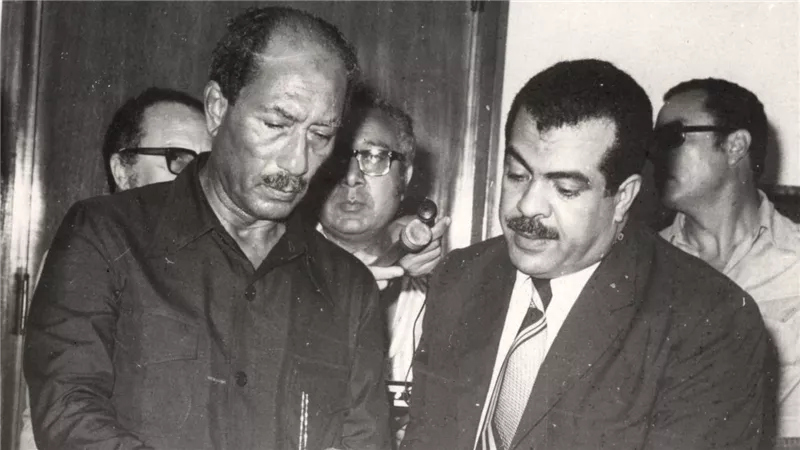
Academic Qualifications
In 1943, Hassaballah El-Kafrawy obtained his primary school certificate from Faraskour Primary School. He earned a Bachelor’s degree in Engineering from the Department of Civil Engineering, Faculty of Engineering, Alexandria University in 1950.
Positions Held
Hassaballah El-Kafrawy served as Minister of Housing for 16 years, from September 1977 until October 1993. He was appointed Governor of Damietta in November 1976, Chairman of the New Urban Communities Authority in 1980, and was elected Head of the Engineers Syndicate in 1991.
Professional Experience
It is noted that Hassaballah El-Kafrawy was a board member and project director at the Ministry of Electricity (1967–1973), Vice President of the Executive Authority for Suez Canal Region Reconstruction Projects (1974–1975), President of the Executive Authority for Canal Reconstruction Projects (1975–1976), and Deputy Minister for Reconstruction Affairs under the Cabinet.
Father of New Cities
Some consider Hassaballah El-Kafrawy to be the “Father of New Cities” because he initiated the first-generation projects of new cities in Egypt. He left the ministry after their number reached 17 new cities, including: (Sadat City, 10th of Ramadan, 15th of May, 6th of October, New Damietta, Marakia), complete with their advanced industrial and urban communities, all started simultaneously. This was in addition to six development regions across the Suez Canal, North Coast, and Sinai zones. Sadat City was intended to house all state ministries to relieve the burden on Cairo.
Hassaballah El-Kafrawy began the construction of the New Damietta Port after establishing New Damietta City with its modern buildings, facilities, and industrial zone, and officially inaugurated the port on July 26, 1986. He also initiated the construction of El-Dekheila Port in Alexandria Governorate and revitalized housing cooperatives. Furthermore, he founded the Housing and Development Bank in 1978 to finance housing unit construction projects for youth, which resulted in the building of two million housing units for low-income citizens.
Decorations and Awards
Hassaballah El-Kafrawy received the Order of Merit (First Class), the Order of Labor Glory from the Soviet Union, the Order of the Republic (First Class), and the French National Order of Merit (First Class).
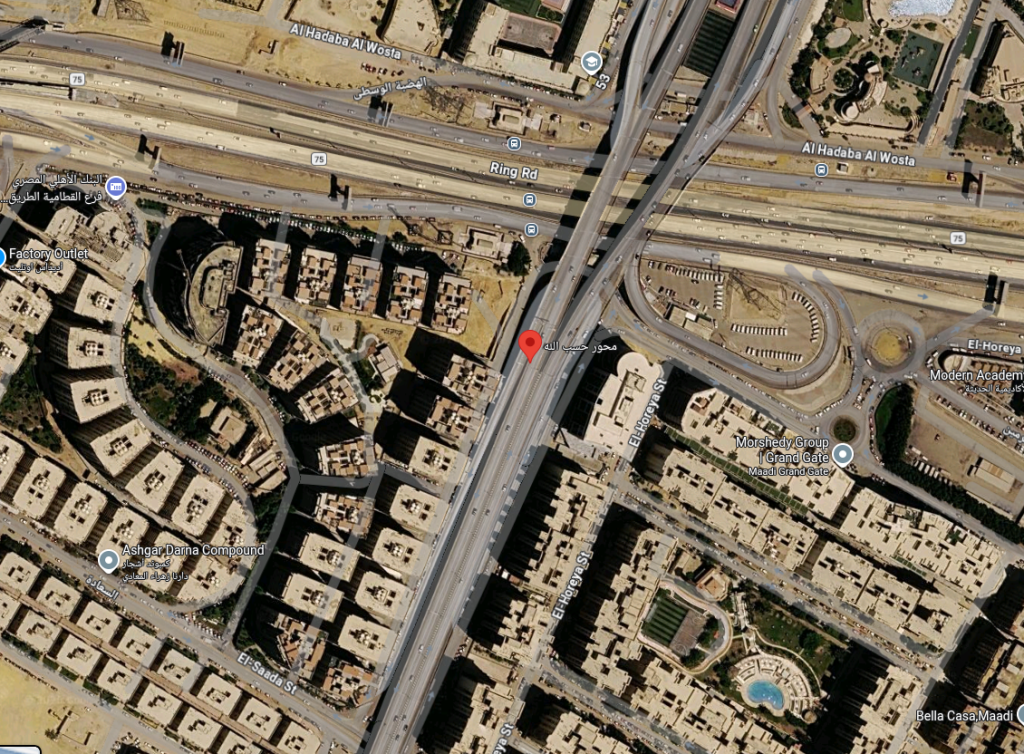
Location: It is located in southern Cairo, connecting Maadi (Zahraa Maadi), Mokattam, and Al-Asmarat, all the way to the Ring Road, the Field Marshal Tantawy Axis, and East Cairo.
]]>